BPC-157
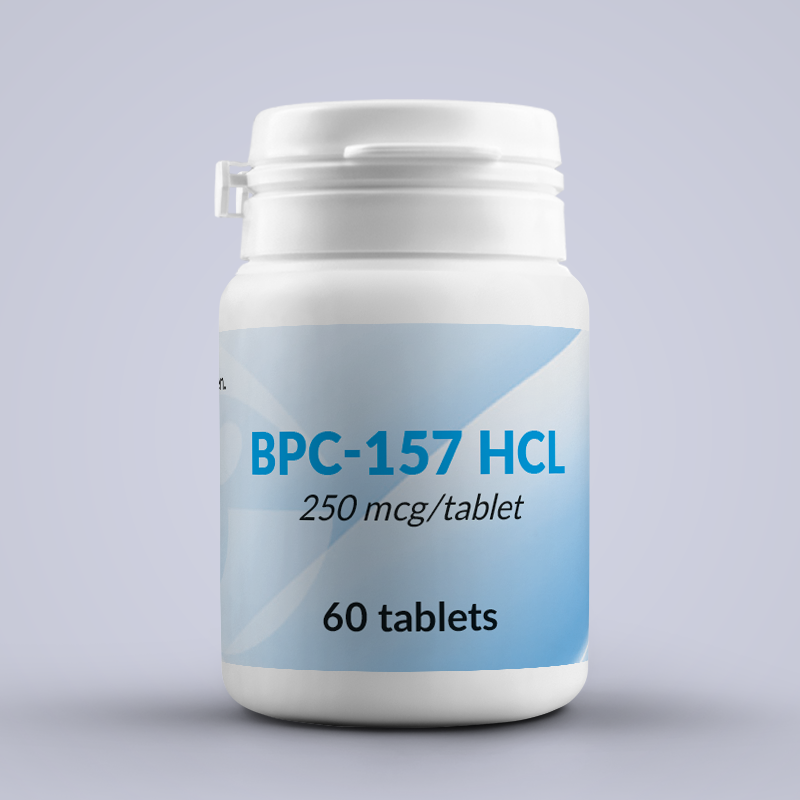
BPC-157 (250 mcg) is a synthetic peptide fragment derived from body protection compound (BPC), studied for its regenerative properties.
- BPC-157 is a synthetic peptide composed of 15 amino acids, derived from a partial sequence of the naturally occurring body protection compound found in human gastric juice.
- It has gained attention in biomedical research due to its reported cytoprotective, angiogenic, and anti-inflammatory properties.
- The 250 mcg oral tablet form allows for convenient administration in controlled experimental environments.
Product overview
BPC-157 is a synthetic peptide composed of 15 amino acids, derived from a partial sequence of the naturally occurring body protection compound found in human gastric juice. It has gained attention in biomedical research due to its reported cytoprotective, angiogenic, and anti-inflammatory properties. The 250 mcg oral tablet form allows for convenient administration in controlled experimental environments.
Studied in research on receptor-specific peptide signaling and endocrine pathways.
Every batch is independently tested at two accredited third-party laboratories. Each shipment is accompanied by a batch-specific Certificate of Analysis. Material Safety Data Sheets (MSDS) and Laboratory Chemical Safety Summaries (LCSS) are available on request.
Research use
Studied in research on receptor-specific peptide signaling and endocrine pathways.
Storage
Store lyophilized at 2–8 °C; refrigerate after reconstitution.
Presentation
Lyophilized peptide in a sealed vial. Reconstitute with bacteriostatic water.
Quality assurance
Independently verified at two accredited third-party laboratories. Batch-specific COA included with every shipment.
Research use only. All EBIOM products are supplied strictly for laboratory and preclinical research. They are not intended for human or veterinary use, diagnosis, or treatment of any medical condition. Handling must comply with all applicable laws and institutional safety guidelines.